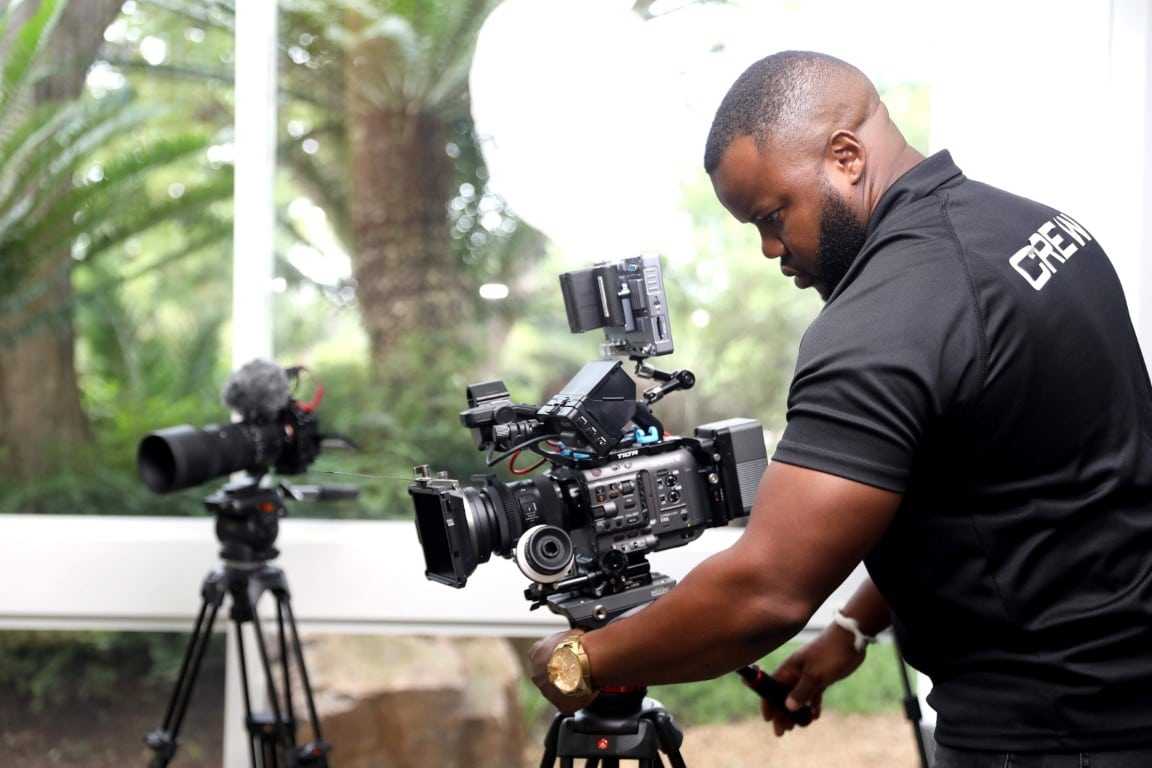
Strategic planning produces superior results. Skipping the planning phase risks budget overruns, messaging misalignment, and ineffective content. Mastering the planning process ensures your team, budget, narrative, and delivery align from inception.
Step 1: Define Your Goal and Audience
Begin by determining what success looks like. Are you pursuing brand awareness, lead generation, training effectiveness, or internal communication? Clear objectives help establish measurable success metrics — like increasing demo signups by 20% or reducing onboarding time by 30%.
Understanding your viewers — whether employees, customers, or investors — shapes tone, duration, format, and channel selection.
Step 2: Craft the Message and Format
Extract one primary idea your video communicates, plus two to three supporting points. Then select formats matching your objectives:
- Explainer/product demonstrations for websites and landing pages
- Brand narratives for social media and career pages
- Training content for intranet or learning management systems
Step 3: Assemble Your Team, Budget & Timeline
Establish clear responsibilities: who serves as producer, director, scriptwriter, camera operator, editor? Specify approval authority and timing to prevent delays. Divide the project into three phases — pre-production, production, and post-production. Allocate budget per phase plus a 10–15% contingency reserve.
Step 4: Write the Project Brief and Concept
Your comprehensive roadmap should include objective, audience, key messages, brand guidelines, format, runtime, deliverables, budget, timeline, and stakeholder list. Draft a brief treatment describing the video's aesthetic, rationale, style, and approach.
Step 5: Script, Storyboard and Logistics
Develop scripts for presenters or voice-over narration, or prepare interview questions. Maintain conversational, direct language aligned with core messaging. Visualize each scene through storyboard sketches or detailed shot lists showing camera angles and framing.
Select shooting locations and cast talent. Secure necessary permissions and release forms.
Step 6: Production Planning & Shoot Day
Compile comprehensive equipment lists, schedule shoot dates, and distribute call sheets to cast and crew. During production: brief the team on key messages, capture extensive B-roll, monitor audio quality, lighting consistency, and continuity, and maintain detailed logs of takes and timecodes.
Step 7: Post-Production, Delivery & Distribution
The editor produces a rough cut for review, followed by refinement involving colour grading, motion graphics, sound mixing, and subtitle addition. Prepare multiple versions:
- Full-length master file
- Abbreviated versions for social platforms
- Vertical 9:16 formats where applicable
- Thumbnail images
Distribute across websites, YouTube, Vimeo, social channels, and email campaigns. Track performance metrics: view duration, conversions, watch rates. Extend value through repurposing — social snippets, blog content, slideshows.
Conclusion
Systematic planning through each phase builds project success. Overlooking or under-planning any stage risks misalignment, budget issues, and underwhelming results. This framework positions your video for success: on-brand, on-target, on-schedule, and within budget.